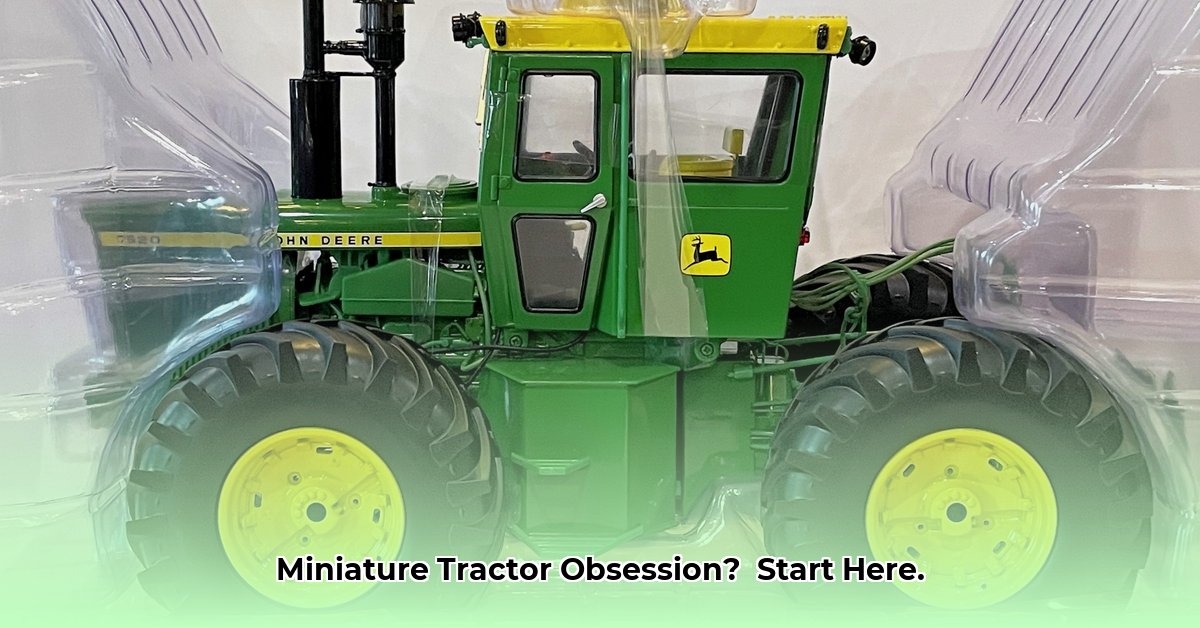
The world of collectible 1/16 scale farm toys offers a unique blend of nostalgia, intricate detail, and surprising investment potential. This guide explores the market, helping you navigate the world of these miniature marvels. For even more in-depth information, check out this helpful resource.
Major Players in the Miniature Farming World
Several manufacturers dominate the 1/16 scale tractor market, each with its own strengths and collector appeal. Understanding these differences is crucial for building a successful collection.
Ertl: A longstanding leader, Ertl has built a reputation for exceptionally detailed and historically accurate models. Their models, often considered the benchmark for quality, frequently command premium prices due to their craftsmanship and collector demand. Think of them as the "Rolls-Royce" of miniature tractors, classic and highly sought after. Their extensive range spans decades of tractor designs, making them attractive to collectors of all eras.
SpecCast: SpecCast offers a compelling alternative, balancing excellent detail with generally more accessible price points than Ertl. Their consistent release of new models keeps the market dynamic and exciting, ensuring a steady flow of desirable items for collectors of all experience levels. SpecCast models represent a solid balance of quality and value.
John Deere: While not directly manufacturing models, John Deere's powerful brand recognition translates into high demand for their licensed products. Expect to pay a premium for a 1/16 scale John Deere tractor, especially those representing iconic or limited-edition designs. Their strong brand association contributes significantly to their value. Many collectors consider these among the most valuable in the field.
Case IH and Others: Beyond these major players, numerous manufacturers, like Scale Models and Little Buster Toys, contribute to the market's diversity. This wide selection ensures a range of options to suit varying tastes and budgets, making exploration a rewarding aspect of collecting. Discovering lesser-known brands can be a particularly fulfilling aspect of the hobby.
Assessing Quality and Value in Miniature Tractors
Choosing the right miniature tractor requires careful consideration. Several key aspects determine a model's quality and long-term value:
Detailing: Intricate detailing is paramount. Examine the engine, wheels, and overall accuracy; a high-quality model will feel almost indistinguishable from a miniature version of the real thing. Look for fine lines, precisely represented features, and evidence of superior craftsmanship. A high level of detail often translates to higher value.
Materials: Durable materials are crucial for longevity. High-quality models typically utilize robust plastics and metals, ensuring they withstand years of display and handling. Avoid flimsy materials that feel cheap and are prone to breakage.
Price Point: While quality and price often correlate, it's important to shop shrewdly. Don't assume the most expensive model is automatically the best. However, extremely low prices may signal inferior quality or even counterfeit products. Thorough research is vital to finding fair value.
Long-Term Value: Certain models and manufacturers retain value better than others. Understanding which brands and designs hold their value is critical for those considering this hobby as an investment. Researching specific model histories and market trends is essential here.
A Collector's Guide to Navigating the Market
Building a successful 1/16 scale tractor collection requires strategic planning and informed decision-making. Follow these steps to maximize your success:
1. Identifying Valuable Models:
- Brand Recognition: Limited-edition models from established brands like John Deere often appreciate significantly over time.
- Rarity: Models representing rare or discontinued tractors, or those commemorating specific events, are likely to increase in value.
- Condition: A model in pristine, original condition will command a substantially higher price than one that's damaged or incomplete.
2. Sourcing Your Treasures:
- Online Marketplaces: Sites like eBay and specialized collector websites provide a vast selection of models.
- Auctions: Online and live auctions can sometimes yield rare finds or unexpectedly good deals.
- Specialty Shops: Local hobby stores and antique shops may occasionally uncover hidden gems.
3. Preserving Your Collection:
- Safe Storage: Store your models in a cool, dry environment, away from direct sunlight and dust. Protective display cases offer added protection against damage.
- Regular Cleaning: Gently dust your models regularly to maintain their appearance and prevent the buildup of grime.
4. Avoiding Pitfalls:
- Counterfeits: Avoid counterfeit models by buying from reputable sellers and carefully examining listings for any inconsistencies.
- Overpricing: Thorough research is essential to avoid paying inflated prices; compare prices across multiple platforms.
- Market Fluctuations: Be mindful of potential market volatility; diversification across brands and eras can mitigate associated risks.
Market Trends and Future Outlook
While precise quantitative data is limited, qualitative observations suggest a positive outlook for the 1/16 scale tractor market:
Strong Brand Loyalty: Collectors often demonstrate a strong preference for established brands like Ertl and John Deere, ensuring continued demand for their models.
Consistent Innovation: The continuous release of new models by various manufacturers keeps the market dynamic and engaging, attracting both seasoned collectors and new enthusiasts.
Thriving Community: The existence of dedicated online forums and communities indicates a large and passionate collector base, suggesting sustained market growth and stability. This provides a platform for sharing knowledge, insights, and fostering connections among enthusiasts.
The 1/16 scale tractor market presents a unique and rewarding collecting experience. While some risks exist, a balanced approach combined with informed decision-making can lead to a fulfilling and potentially profitable venture. The enjoyment of the hobby, the thrill of the hunt, and the sense of community it fosters are significant rewards beyond monetary gains.